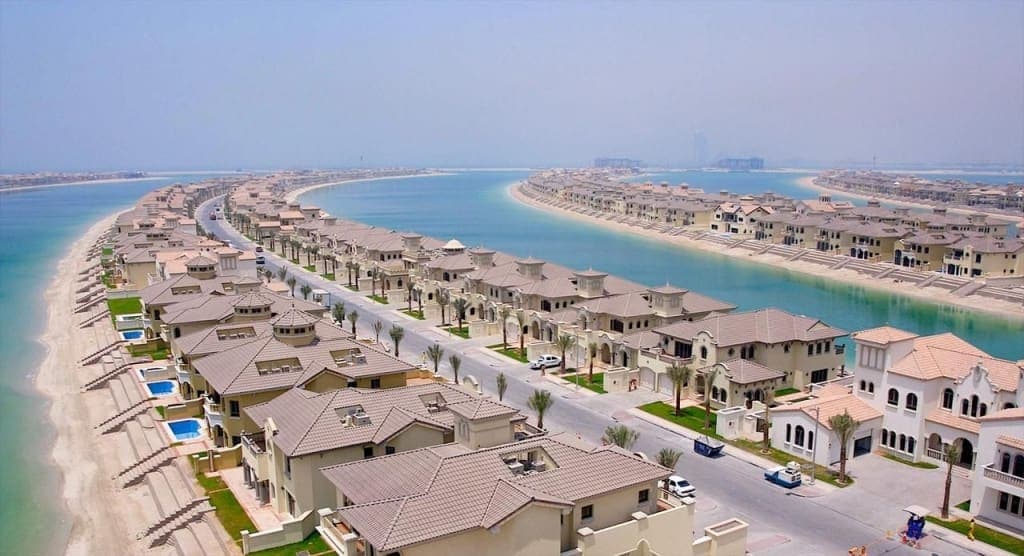
A Ground-Level, Data-Backed View for Global Investors
I’m asked this question more often than almost anything else.
Usually, it comes from someone who has already watched a few YouTube videos, skimmed some headlines, and heard two completely opposite opinions — one saying Dubai is the “next big thing,” the other saying the market has already peaked.
So let’s slow this down.
Dubai can be a very good property market in 2026. But it’s not good in the same way for everyone. And it’s definitely not forgiving if you walk in with the wrong expectations.
This article isn’t written to convince you to invest. It’s written to help you decide whether Dubai actually fits your investment mindset, based on how the market really behaves — not how it’s advertised.
What the Dubai Property Market Looks Like in 2026 (Without the Noise)
One important thing needs to be said upfront.
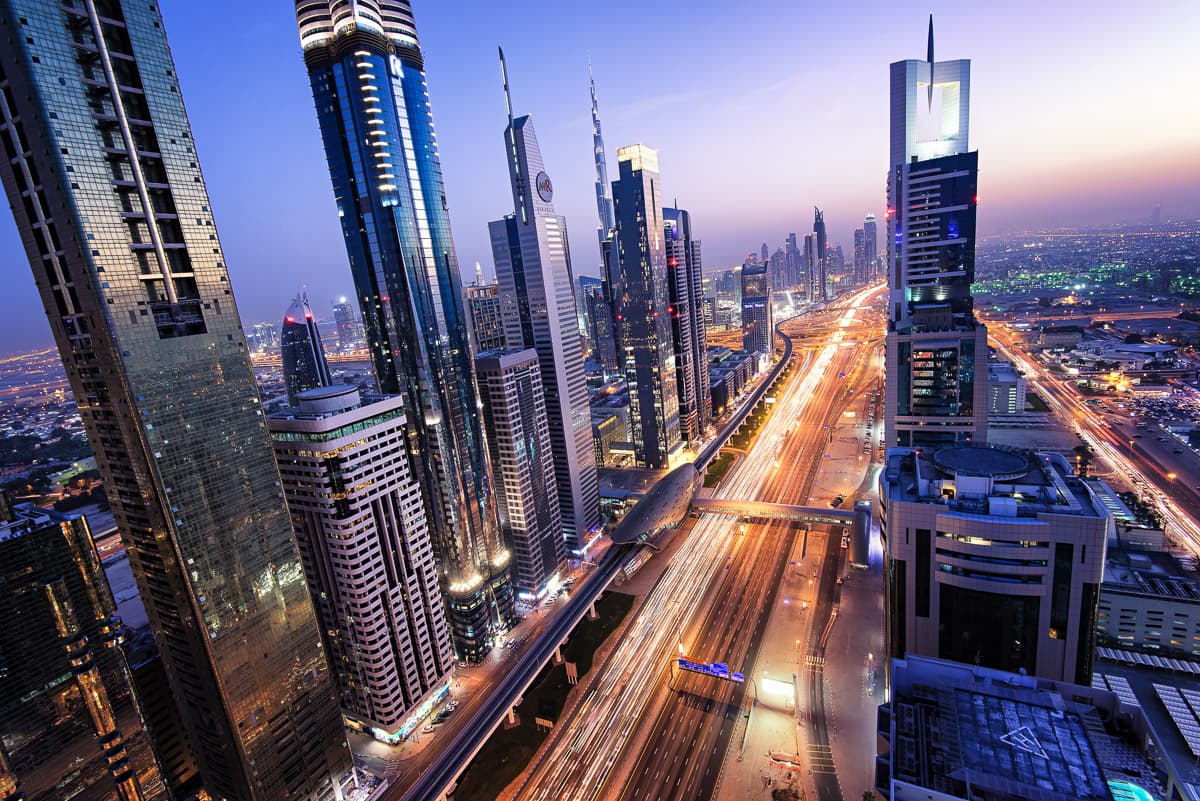
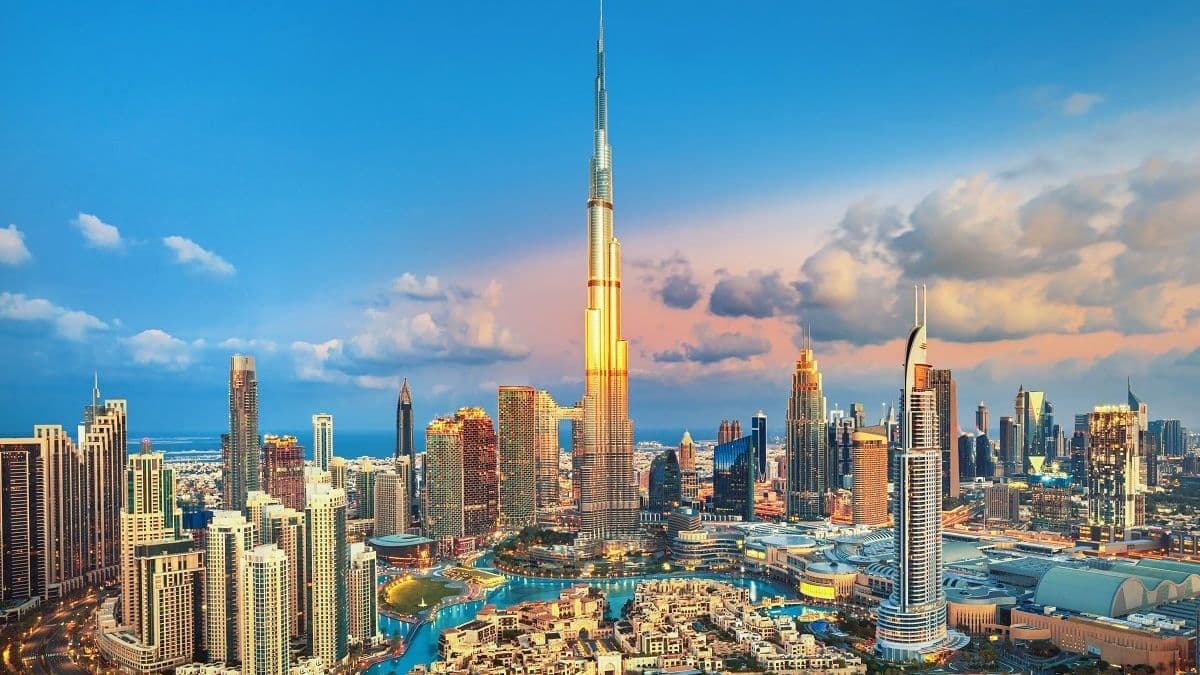
Dubai in 2026 is not running on the same dynamics it did during earlier boom-and-bust cycles. Back then, speculation dominated. Today, the market is driven far more by people who actually live, work, and stay in the city.
What’s supporting demand now?
A growing resident population
Continued inflow of foreign professionals and entrepreneurs
Infrastructure that’s already built, not just promised
Business and residency policies that attract long-term commitment
This matters because markets supported by real usage tend to behave very differently from markets driven by hype.
That doesn’t mean prices only go up. It means corrections are usually slower, and fundamentals matter more than headlines.
Why Global Investors Are Still Looking at Dubai Property
1. Foreign Ownership Is Clear (and Enforced)
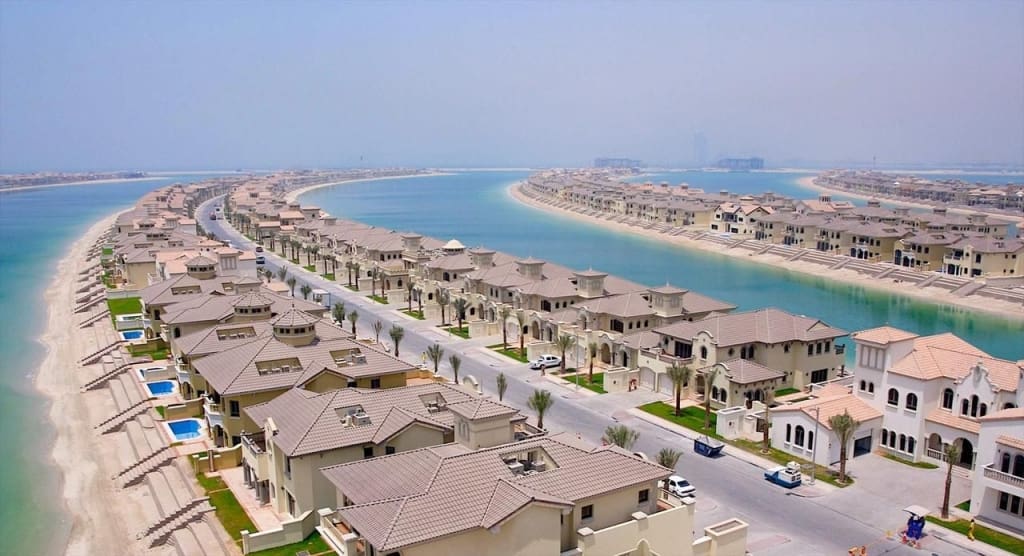
Dubai allows full foreign ownership in designated freehold areas. This isn’t a workaround or a grey area. It’s a clearly defined legal structure.
Foreign buyers can:
Own property outright
Rent it out
Sell it
Pass it on to heirs
There’s no requirement to live in the UAE or hold a residency visa just to own property. For international investors, that level of clarity removes a lot of friction.
2. Taxes (or the Lack of Them) Change the Math
Dubai doesn’t charge:
Annual property tax
Capital gains tax on property
Rental income tax within the UAE
This doesn’t automatically make every investment good — but it does mean net returns are easier to protect.
In cities like London or New York, returns are often eroded not by poor performance, but by ongoing taxes and holding costs. Dubai simply plays a different game here.
3. Rental Demand Is Structural, Not Seasonal
Dubai’s rental demand isn’t tied to a single industry. It’s supported by:
Long-term expatriate residents
Business owners and professionals
Corporate housing demand
Short- and mid-term stays
That mix creates resilience. When one segment slows, another often picks up. This is why rental demand has remained relatively consistent even during global uncertainty.
Rental Yields in Dubai: Where Investors Often Misjudge
Rental yield is one of the biggest reasons people consider Dubai. And yes — in many locations, yields still outperform mature global cities.
But this is where I’ve seen people go wrong.
They focus on the percentage and ignore everything else.
Not all “high-yield” properties rent smoothly. Some look great on spreadsheets and perform poorly in real life. Others deliver steady, boring income year after year — and those are often the better investments.
Rental performance in Dubai depends heavily on:
Location connectivity
Unit layout (not just size)
Building quality
Service charges
Chasing yield without understanding demand usually leads to disappointment.
Capital Appreciation in 2026: What’s Realistic
Dubai is not a market where appreciation happens evenly.
Some properties move significantly over time. Others barely keep up with inflation. The difference usually comes down to entry price, timing, and patience.
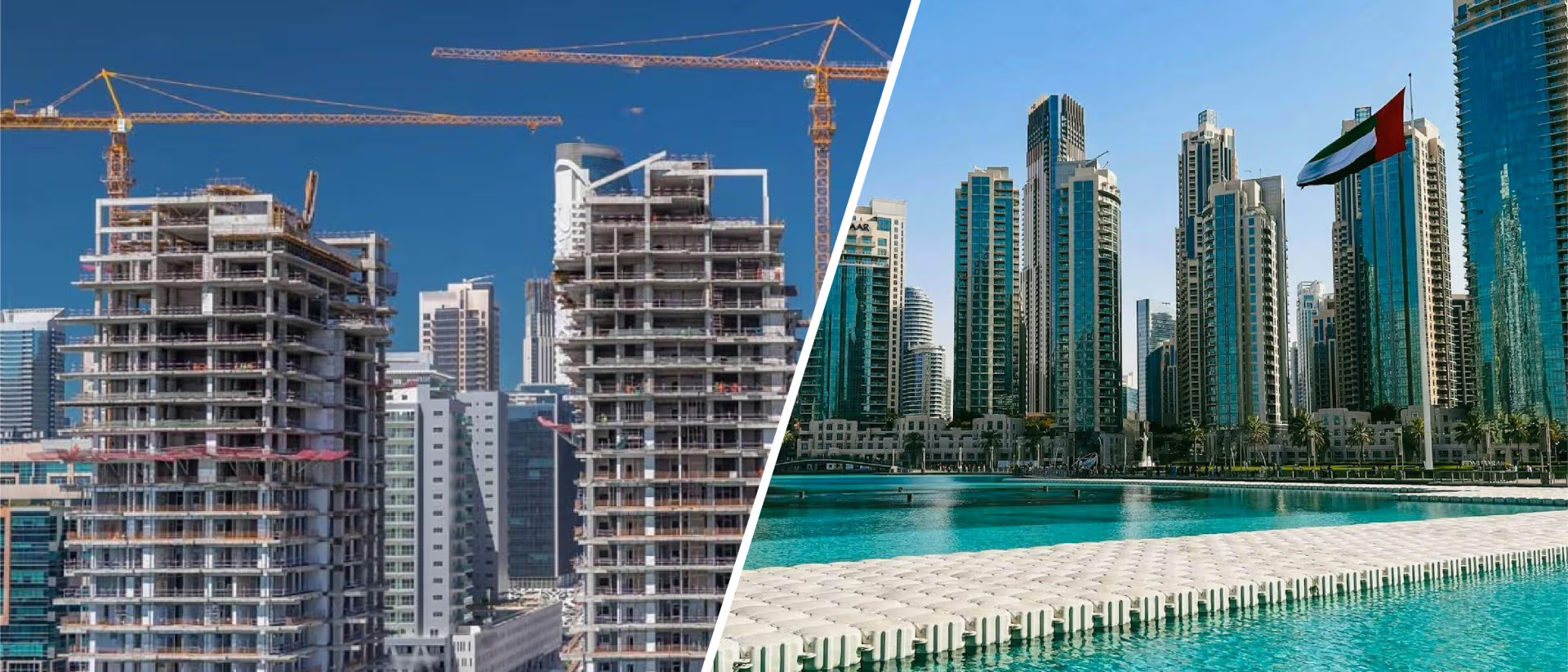
Ready (Completed) Properties:
Lower uncertainty
Immediate rental income
Typically steadier, slower appreciation
Off-Plan Properties:
Lower initial entry
Staggered payment plans
Greater upside — but only if you hold long enough
Off-plan investments tend to reward investors who are financially comfortable waiting. If you need income quickly, they can feel frustrated.
Risks That Deserve Real Attention (Not Fine Print)
Dubai is not risk-free. Anyone telling you otherwise is selling something. The most common issues I see are:
Buying in locations with weak long-term demand
Overestimating rental income
Ignoring service charges and ownership costs
Entering without an exit plan
What’s important to understand is this: Most losses don’t come from Dubai as a system. They come from rushed decisions and misplaced trust.
Dubai Compared to Other Global Property Markets
From a practical investment standpoint:
- Dubai vs the UK: No stamp duty and no annual property tax
_ Dubai vs the USA: Lower holding costs and simpler ownership structures
- Dubai vs India: Higher rental yields and more predictable taxation
Each market has its role. Dubai stands out for investors who care about net returns and ease of ownership, not emotional attachment.
Is Dubai Safe for Foreign Property Investors?
When the process is followed correctly — yes.
Property transactions, escrow payments, and ownership registration are regulated by the Dubai Land Department. This oversight is one of the main reasons international investors are comfortable deploying capital here.
The system works well. Problems usually start when people try to bypass it.
Who Dubai Property Makes Sense For in 2026
Dubai property generally suits:
Long-term investors
Buyers seeking rental income
Investors diversifying across countries
People that are comfortable with multi-year holding periods
It’s usually a poor fit for:
Short-term speculators
Buyers chasing guaranteed returns
Investors without a defined strategy
Dubai rewards discipline. It punishes impatience.
FAQs – Dubai Property Investment in 2026
1. Is property in Dubai a good investment in 2026?
It can be, for investors with realistic expectations and a long-term view.
2. Can foreigners invest safely in Dubai real estate?
Yes, when purchases are made in freehold areas through regulated processes.
3. Are rental returns stable in Dubai?
They vary by location and property type, but overall demand remains strong.
4. Is off-plan property risky?
Only when buyers ignore developer quality, escrow protection, and holding timelines.
A Straightforward Verdict
Dubai property can work very well in 2026 if you:
Choose locations carefully
Understand full ownership costs
Focus on fundamentals, not promises
Avoid speculative decision-making
It’s not a shortcut market. But for patient, informed investors, it can be a reliable one.
Final Thoughts
Dubai offers something that’s becoming rare globally: foreign ownership, tax efficiency, strong rental demand, and a regulated system — all in one place.
It’s not the right market for everyone. But for investors who plan carefully and stay grounded, Dubai property can still play a meaningful role in a global investment portfolio.
👉 Explore the Dubai Property Investment Guide for US & UK Investors
Disclosure Written from hands-on experience advising international buyers on rental performance, market cycles, and long-term property investment decisions in Dubai.